The Club Choice That Saves More Shots Than Pride Does
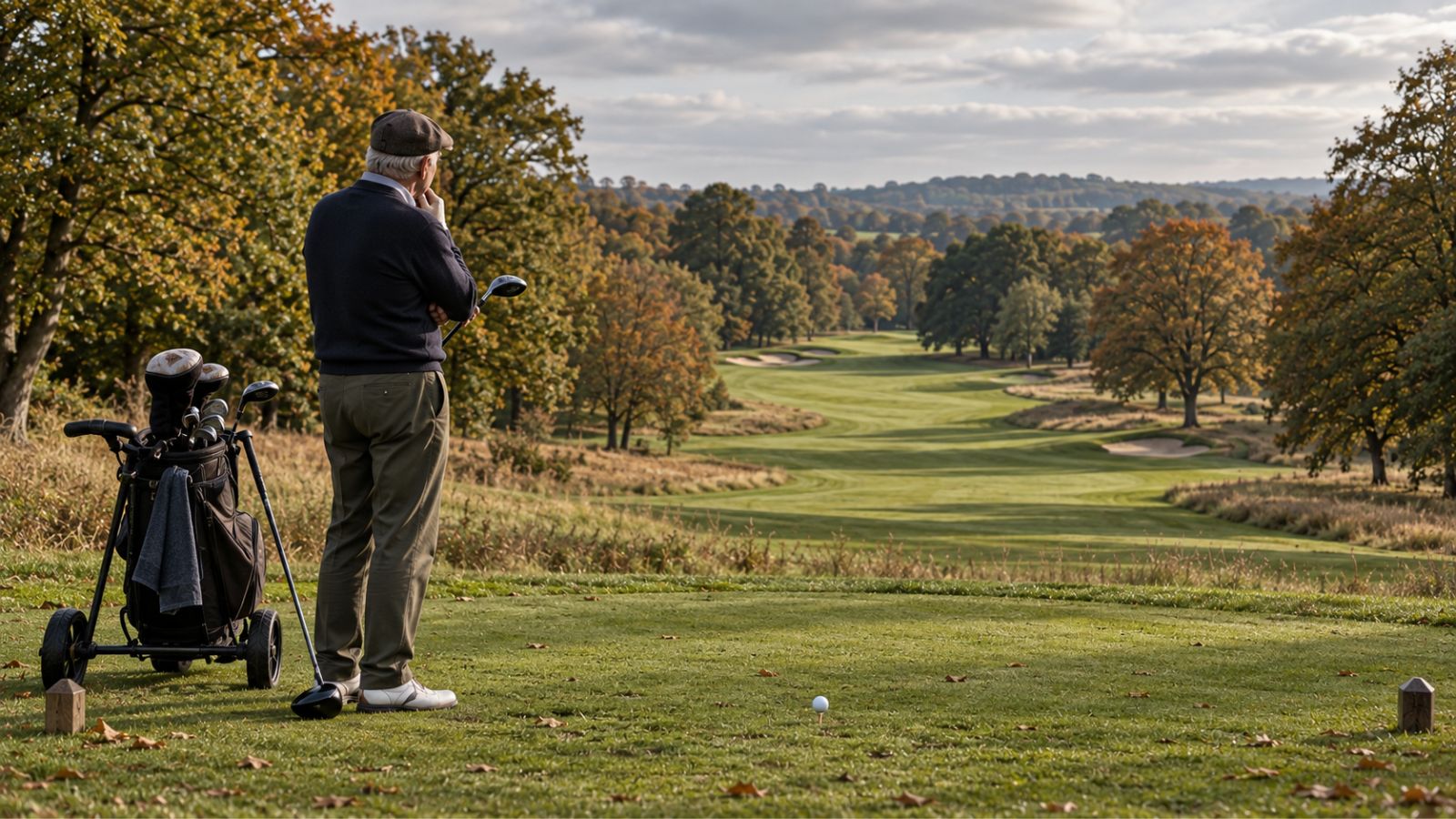
A lot of bad holes start before the ball has even left the tee.
Not always because of a terrible shot.
Sometimes it is simply the club we have chosen.
There are holes where the longest club makes perfect sense.
There are others where it brings in rough, trees, bunkers or a part of the hole you would rather not visit.
The difficult bit is that most of us have been playing long enough to have our habits.
And habits can be hard to leave in the bag.
The club you always hit is not always the club you need
Most golfers have holes where they automatically reach for the same club.
You have hit driver there for years, so out comes the driver.
You remember the good ones as well.
The drive that finished miles down there.
The one that left a short shot in.
Funny how the one that disappeared into the trees does not stick in the memory quite so fondly.
There is nothing wrong with taking the same club again.
But it is worth looking at the hole in front of you rather than the one you remember from years ago.
A few extra yards can come at a price
Distance is useful.
Nobody is pretending otherwise.
But another ten or fifteen yards is not much of a bargain if it brings the narrowest part of the hole into play.
Or leaves you behind a tree.
Or gives you a lie that makes the next shot twice as awkward.
That is where club choice becomes more than simply asking which one goes furthest.
Sometimes the extra distance helps.
Sometimes it just moves the problem further down the hole.
Pride does get involved
This is probably the bit most of us recognise.
Taking less club from a tee can feel oddly like admitting something.
Especially on a hole where you used to give it a good whack with the driver without thinking twice.
Nobody else is likely to care.
They are normally too busy thinking about their own shot.
But we notice.
And every now and again, pride reaches into the bag before common sense gets there.
We have all done it.
Some holes give you a choice
There are holes where the longer club opens things up.
There are others where it does the opposite.
Maybe the fairway narrows further down.
Maybe a bunker only comes into play with your longest shot.
Maybe being a little further back still leaves a perfectly decent way into the green.
That is when the hole starts asking a different question.
Not simply:
How far can I get this?
More:
Which club suits what is in front of me today?
That is not quite the same thing.
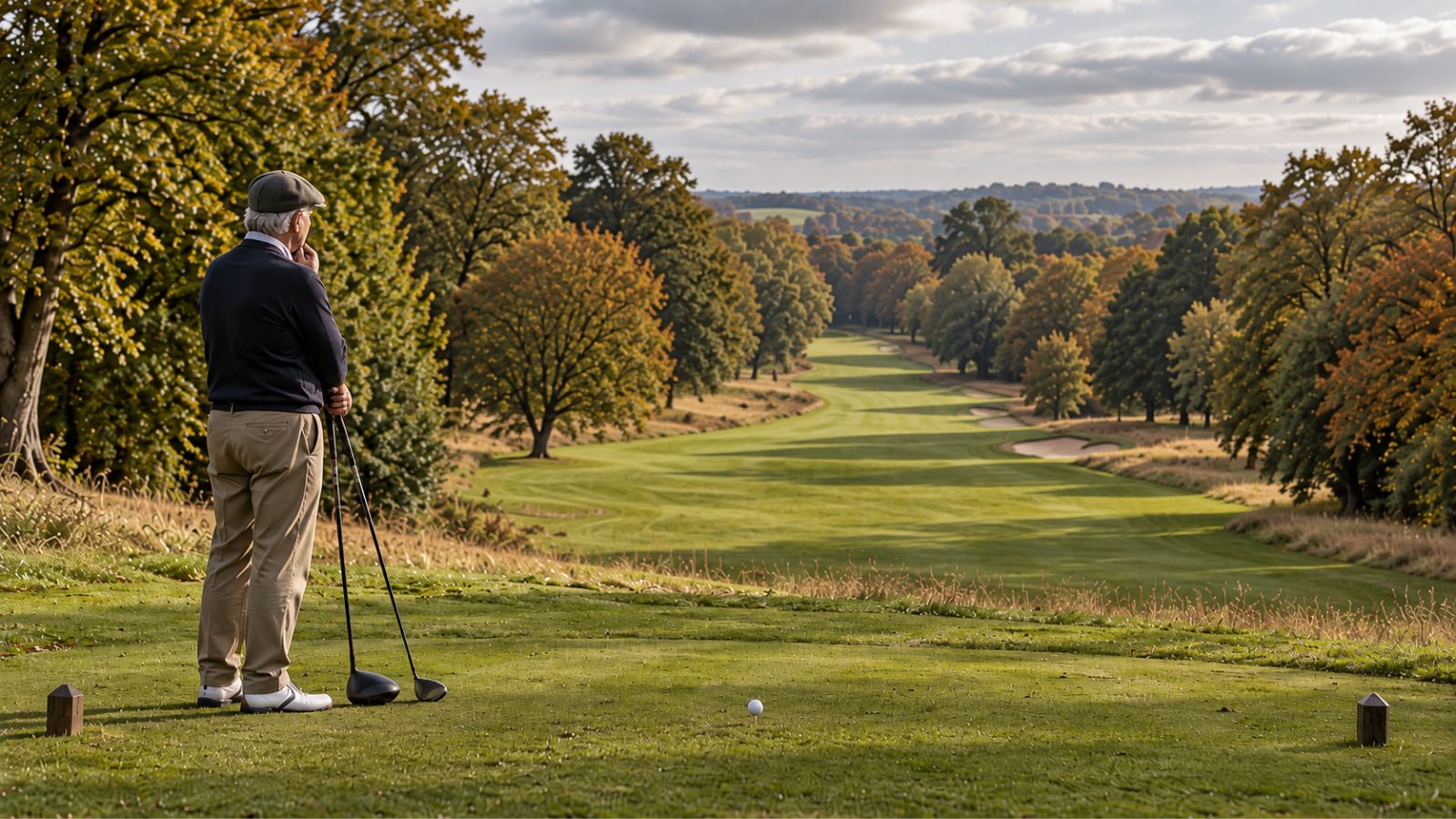
The next shot often tells you whether the choice worked
You usually know when you walk up to the ball.
If you have a clear view, a decent lie and a shot you recognise, the tee shot has probably done enough.
It may not have been the longest one in the group.
It may not even have felt particularly impressive.
But you are standing somewhere useful.
There is a lot to be said for that.
Especially when the alternative is wandering around in the rough wondering whether the gap through those trees is really as wide as it looks.
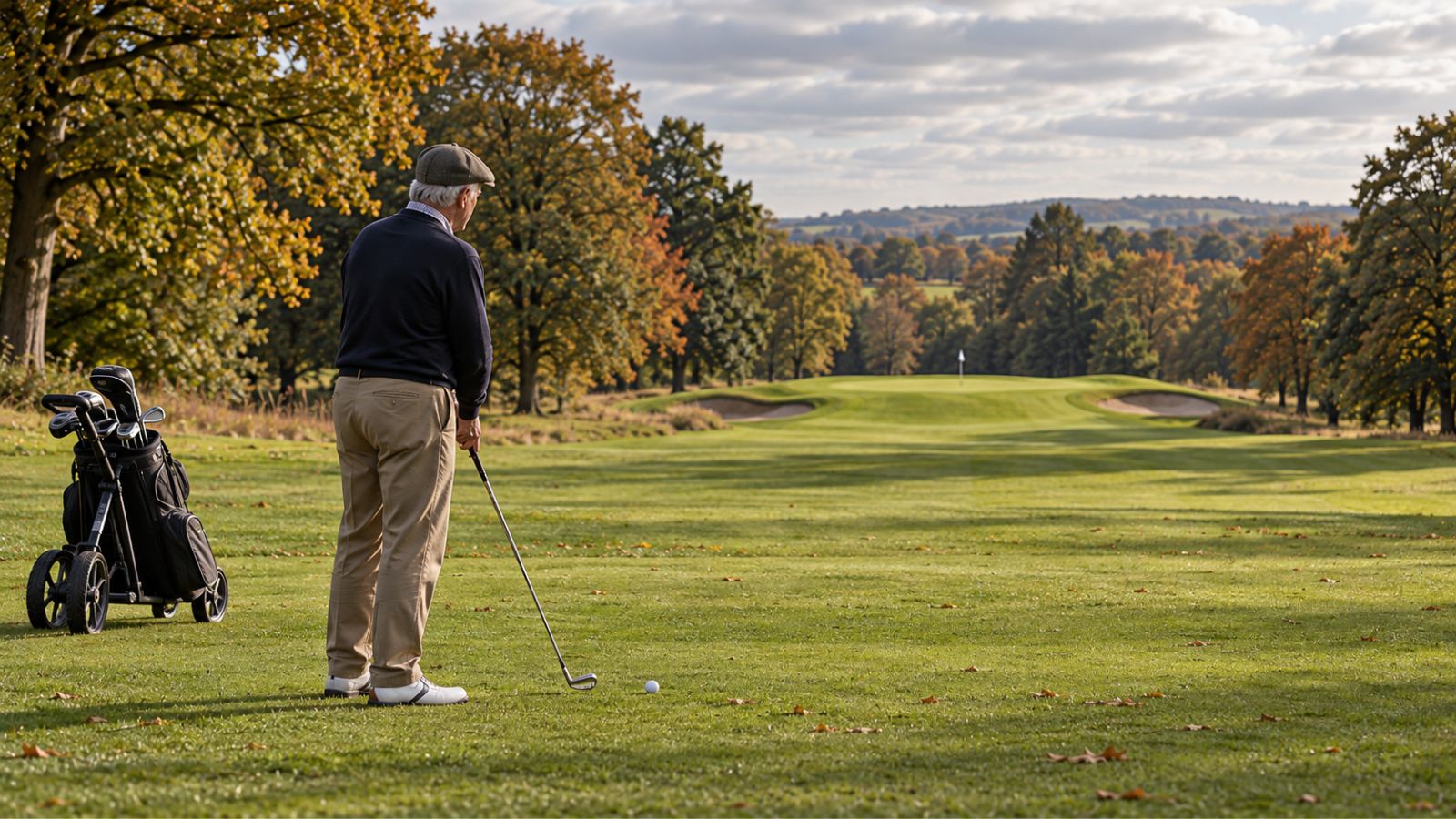
This is not about putting the driver away
I would not want this to sound as though getting older means automatically taking less club.
It does not.
There will be plenty of holes where the driver is still exactly the club you want.
The point is that it should earn its place like every other club in the bag.
If the extra distance makes the hole easier, great.
If it brings more problems than it solves, there is nothing wrong with reaching for something else.
That is choice, not surrender.
Sometimes the quieter decision works better
Golf gives us enough difficult decisions without making one because of pride.
Some days the longer club is right.
Other days another club leaves the hole looking much friendlier.
You tend to know which was the better choice when you arrive at the next shot.
And if you are standing on short grass with the hole still in front of you, you probably will not care very much what number was stamped on the club you used.
If this sounds familiar, Why Fairways Matter More Than They Used To looks at why being in play can matter more now than it once did.