What Good Golf Looks Like After 60
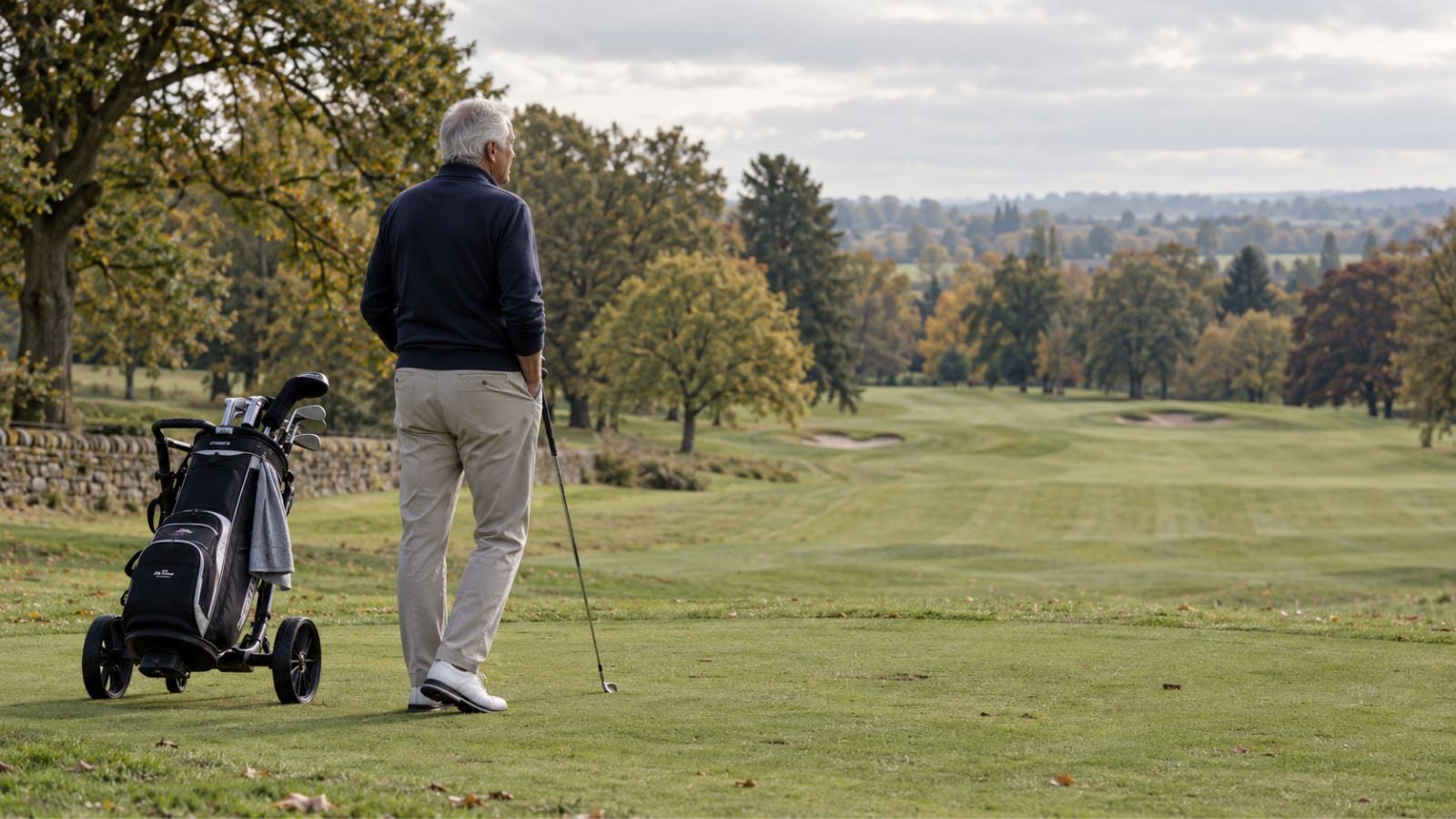
There comes a point when good golf starts to look a bit different.
Not worse.
Not less.
Just different.
After 60, plenty of golfers are still enjoying the game, still competing, and still having the odd day when everything behaves itself.
But golf does not have to look exactly as it did at 35 to still feel satisfying.
A lot of frustration comes from comparing your current game with an earlier version of yourself.
That is where things can get a bit daft.
You play a perfectly decent round, then spend half the walk back to the car thinking about what you used to do years ago.
At some point, you realise there is not much to be gained from that.
Good golf now is more about getting the best from what you have today.
Steadier usually beats flashier
At this stage, good golf is often less about bursts of brilliance and more about keeping the round together.
Fewer disasters.
Fewer wasted shots.
Less of the sort of golf that has you muttering by the third hole.
That does not sound dramatic, but it tends to hold up better over 18 holes.
A round with a few tidy pars, sensible bogeys and not too much nonsense can feel better than one with a couple of great holes and three others that look like they belonged to somebody else.
That is not lowering the bar.
It is just recognising that a good round does not need fireworks all the way round.
Knowing your own game helps
One of the better things about playing for years is that you tend to know your own game.
You know which shots still turn up.
You know which ones only appear in theory.
And you know which parts of the game can disappear without much warning.
That sort of knowledge helps.
There was probably a time when you expected a decent day every time you played.
I am not sure many of us do that now.
You take the good bits when they come.
You make do with the bits that are not quite there.
And you stop expecting every round to look like one of your best from years ago.
That is not negative golf.
It is just knowing yourself a bit better.
Calmer golf usually feels better
One poor tee shot.
One missed short putt.
One scruffy hole.
Then suddenly the whole day feels as though it is slipping away.
Most golfers know that feeling.
The better rounds are not the ones where nothing goes wrong.
Something always does.
It is more about what happens afterwards.
Do you carry the mistake with you?
Do you start trying to win shots back straight away?
Or do you just get on with the next hole?
That gets easier with experience.
Not every mistake needs a reaction.
Sometimes it is just a bad shot.
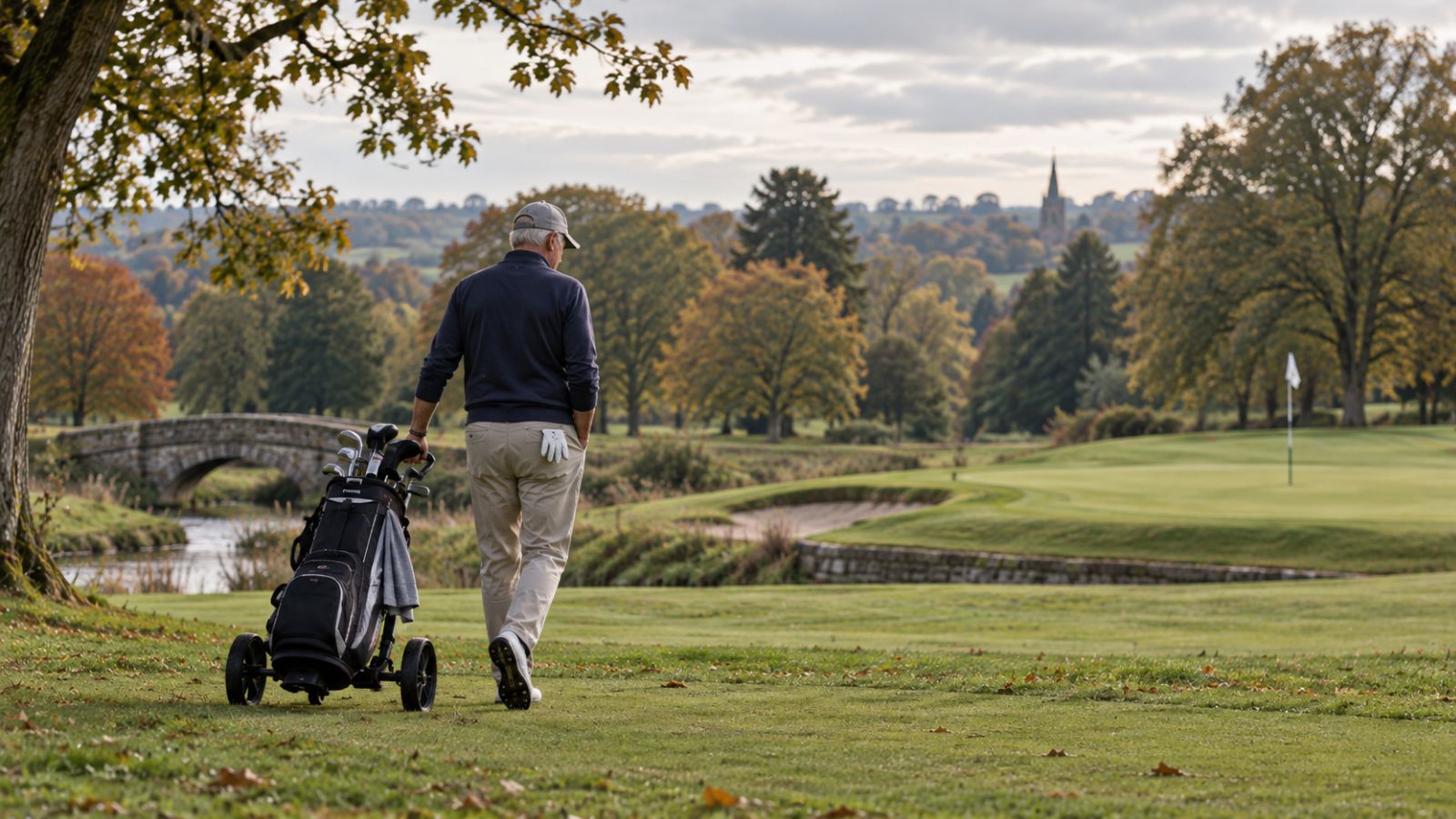
Energy matters more than it used to
One of the quieter changes as the years go by is that energy starts to matter more.
Not in a dramatic way.
Just enough that you notice it.
A rushed start, too little food or water, a heavy bag, cold hands, or one of those days when the body takes longer to get going can make the back nine feel much harder.
You notice things you might once have ignored.
The bag feels heavier.
The walk between holes feels longer.
Concentration starts wandering.
It just means 18 holes can take more out of you than they used to.
A bit of thought about how you get round can make a difference.
Walking at your own pace.
Having what you need with you.
Not wasting energy getting annoyed about shots that have already happened.
Nothing clever.
But it helps.
A different kind of good still counts
This is the bit some golfers resist.
They still picture good golf as long hitting, full control and the sort of ball-striking they had on their best days years ago.
Lovely if it turns up.
But it is not the only sort of good golf.
A decent round might now look like:
- keeping the ball somewhere playable
- making fewer mistakes that turn into bigger ones
- staying interested after a poor hole
- getting round without feeling completely done in
- coming off the course thinking you played alright
That counts.
And the more repeatable it is, the better.
There is a lot to be said for golf that turns up most weeks rather than once every three months.
Enjoying it matters as well
There is not much point playing golf as though you are being punished by it.
That does not mean not caring.
Of course you care.
You still want to score well.
You still want to beat the handicap.
You still get annoyed when you make a mess of something simple.
I do not think that ever really goes away.
But every round does not need to become a test of whether you are still the golfer you once were.
Some of the most satisfying rounds are not the ones with the fewest mistakes.
They are the ones where you stayed in it, had a decent day and walked off thinking:
Yes, that was alright.

What good golf probably does not look like
Trying to force distance that is not there.
Choosing clubs because of what they used to do.
Taking on every risky shot because you once pulled it off in 2009 and still feel the story deserves a sequel.
Treating one poor hole as proof that the game has passed you by.
Most of us have done some version of that.
It rarely makes the round better.
More often, it just makes golf feel like hard work.
And there are enough difficult things in golf already without adding your own.
A few questions worth asking
If you are trying to work out what good golf looks like for you now, there are a few useful things to think about.
- What parts of my game still turn up most weeks?
- Where do I usually make things harder for myself?
- What leaves me feeling better coming down the last few holes?
- What makes me come off wanting to play again?
The answers will be different for everyone.
That is probably the point.
There is no single version of good golf after 60.
What it comes down to
For some golfers, a good round will still be mostly about the number on the card.
For others, it might be a steady morning without too much trouble.
For someone else, it might be playing badly but still having a laugh with the people they are with.
None of those are wrong.
You still want to play well.
You still want the good shots.
You still want the score.
But the older you get, the less sense it makes to judge every round against the golfer you were years ago.
If you finish the 18th feeling that you played your game, enjoyed the day and would happily come back next week, that is not a bad measure of it.
If the round tends to get harder as it goes on, How To Finish Fresher Over 18 Holes fits naturally from here.