Play to Your Strengths With the Golf Game You Have Now
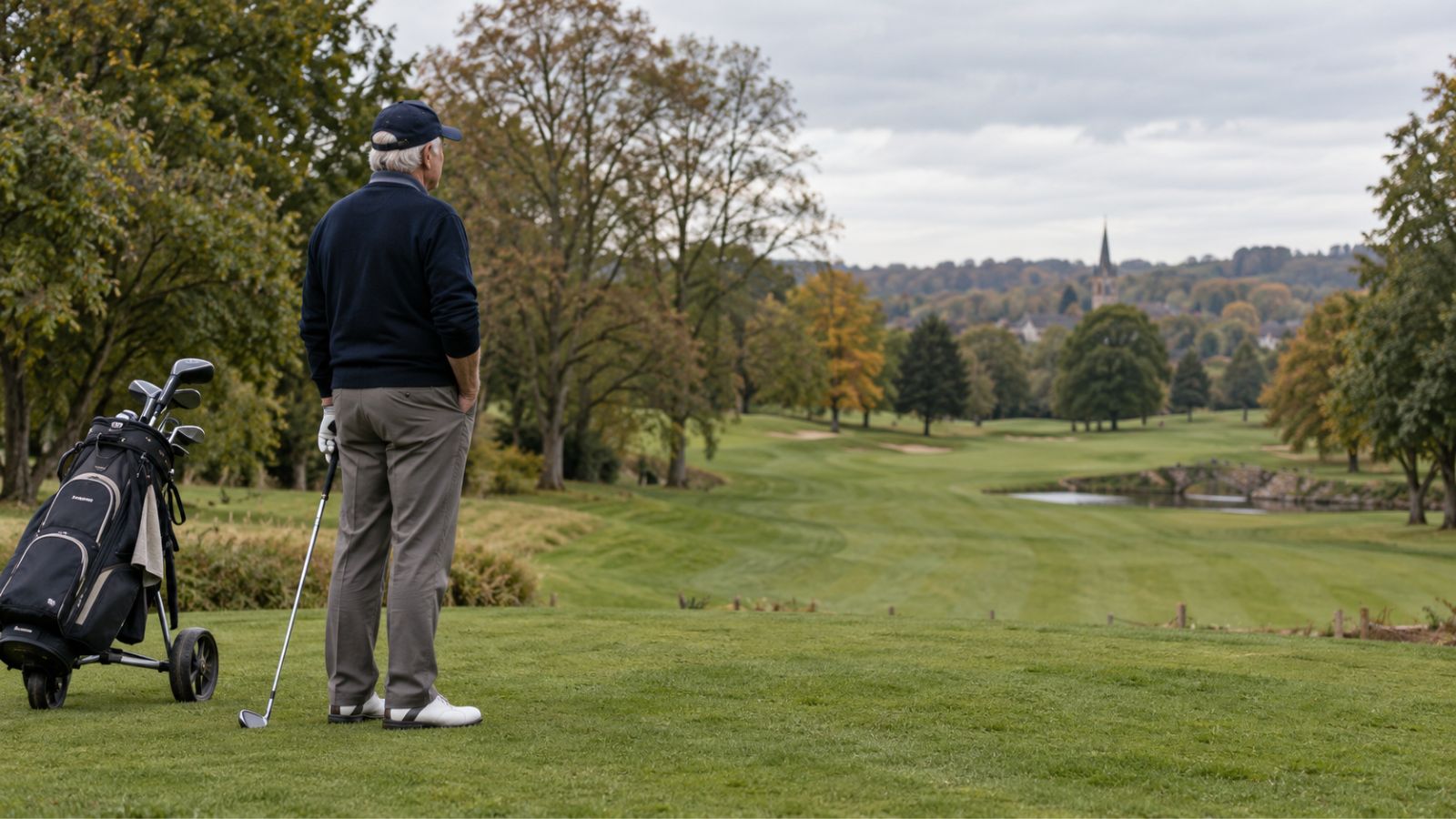
Distance changes over time.
A club that used to reach comfortably may not quite get there now.
Most golfers notice that before they really want to admit it.
The mistake is trying to force the old numbers back into the game.
These days, I think there is more value in being realistic about what works now and using that to your advantage.
Know what your clubs do now
It does not matter what a club used to do five years ago.
What matters is what it gives you today.
If one club no longer comfortably reaches the target, use the one that does.
That is not giving anything away.
It is simply choosing the better option for the shot in front of you.
The scorecard will never ask which club you used.
Use the clubs you trust
Most golfers have a few clubs they feel comfortable with.
A hybrid that gets used often.
An iron that usually leaves you somewhere useful.
A wedge that feels familiar.
Those clubs may not produce spectacular shots, but they can make the round easier to manage.
Knowing what you can rely on makes the round easier.

Do not chase somebody else’s game
There is nearly always somebody in the group who hits it further.
That is their game.
Trying to match them can pull you into decisions that do not suit yours.
You do not need to prove anything by keeping up.
You just need to play the next shot from where your ball is.
Think about where the ball finishes
Extra distance is only useful if it leaves you somewhere helpful.
A shorter shot in the fairway can make the next decision simple.
A longer one into rough, trees or an awkward lie can do the opposite.
That is why position often matters more than squeezing out a few extra yards.
The question is not always, “How far can I hit this?”
Sometimes it is:
Where do I want to play the next shot from?
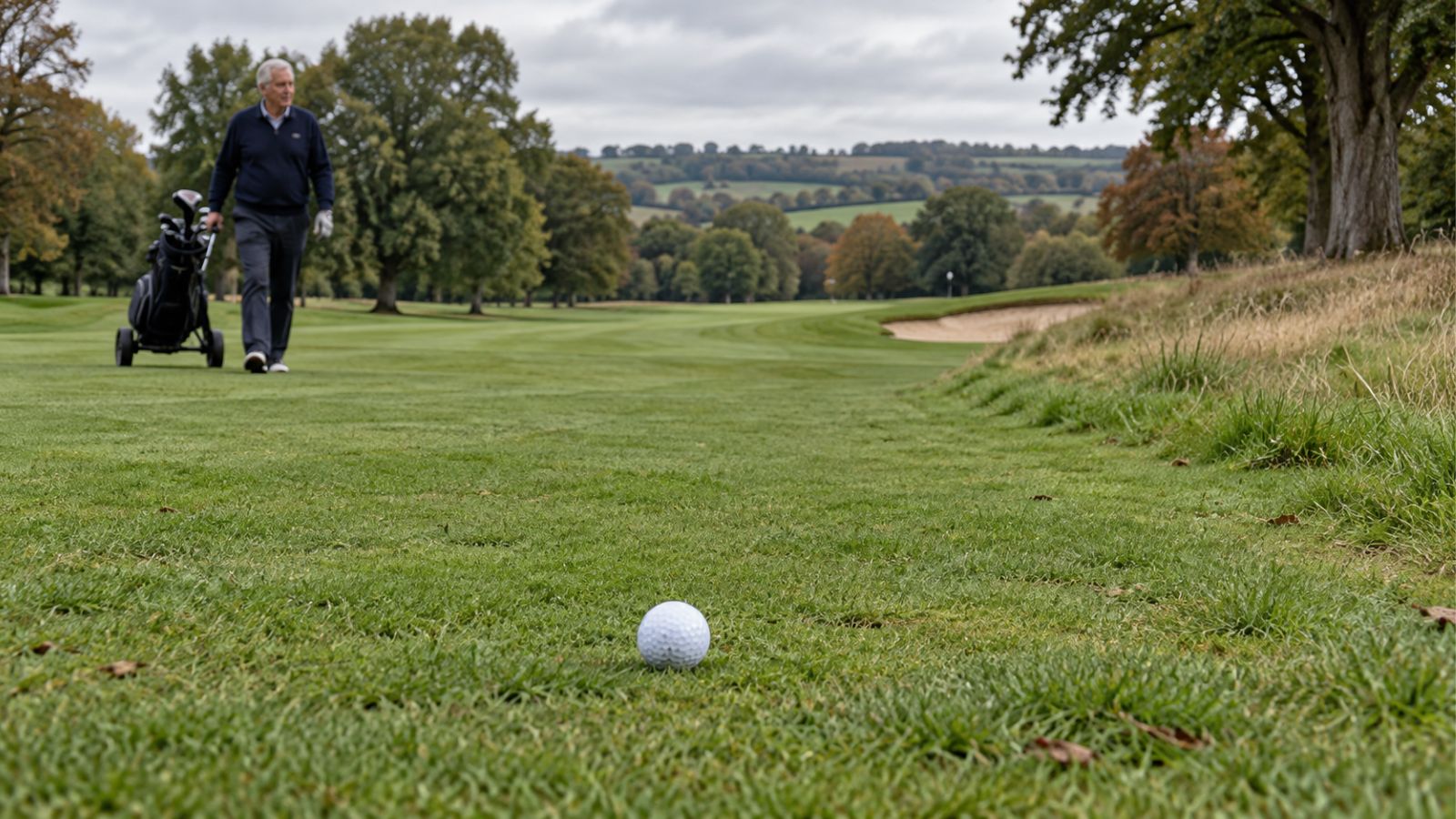
Some days need a different plan
Not every round feels the same.
Some days the body feels good and everything seems to move easily.
Other days it takes longer to get going.
The course might be soft.
The wind might be up.
You might simply feel tired.
There is no sense fighting the day.
Adjusting your decisions to what is actually happening usually gives you a better chance of enjoying the round.
Good golf can look quite ordinary
A lot of steady golf is built from simple things.
Keeping the ball in play.
Choosing a target with some room.
Leaving yourself a next shot you are comfortable with.
Avoiding the sort of trouble that turns one mistake into two.
None of that sounds especially exciting.
But it works.
Play the game you have now
Playing to your strengths is not giving in.
It is understanding what works well now and making more use of it.
Let other golfers chase their own numbers.
You play yours.
That usually makes the game steadier and more enjoyable.
If that way of thinking feels familiar, What Good Golf Looks Like After 60 takes the same idea a little further.